Snoring and Sleep Apnea: When an ENT Procedure Can Help You Sleep Better
Almost everyone snores now and then. But if your snoring is loud enough to send your partner to the couch, or you wake up tired no matter how long you were in bed, it may be worth a closer look. Frequent, heavy snoring is sometimes a sign of obstructive sleep apnea, a common condition that affects how well your body rests and recovers every night.
The good news is that there are effective ways to treat it. For some patients, that includes an outpatient ENT procedure. At Bedford Ambulatory Surgical Center (BASC) in Bedford, NH, our ear, nose, and throat surgeons perform airway procedures for snoring and sleep apnea in a comfortable outpatient setting, so patients go home the same day.
What Causes Snoring?
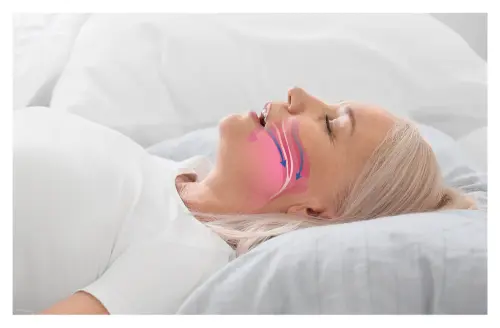
Snoring happens when air can’t flow freely through the nose and throat while you sleep. As the muscles in your throat relax, the soft tissues can narrow the airway and vibrate as you breathe. Common contributors include:
- A deviated septum or other blockage in the nasal passages
- Enlarged tonsils or adenoids
- A long soft palate or uvula
- Chronic nasal congestion or sinus problems
- Weight, alcohol before bed, and sleeping on your back
When Snoring Might Be Sleep Apnea
Obstructive sleep apnea (OSA) occurs when the airway repeatedly narrows or closes completely during sleep, briefly interrupting your breathing. Many people with sleep apnea have no idea they have it. Signs to watch for include:
- Loud, persistent snoring most nights
- Pauses in breathing that a partner notices
- Waking up gasping or choking
- Morning headaches or a dry mouth
- Daytime sleepiness, trouble concentrating, or irritability
Left untreated, sleep apnea has been linked to high blood pressure, heart problems, and a higher risk of drowsy driving accidents. If any of these signs sound familiar, talk with your primary care provider. A sleep study is usually the first step to a diagnosis.
Treatment Options for Snoring and Sleep Apnea
Treatment depends on what is causing your symptoms and how severe they are. Many patients start with non-surgical options such as lifestyle changes, a CPAP machine, or an oral appliance fitted by a dentist. These work well for a lot of people.
When a physical blockage in the nose or throat is part of the problem, or when other treatments haven’t worked or are hard to tolerate, an ENT surgeon may recommend a procedure to open the airway. Depending on your anatomy, options may include:
- Septoplasty to straighten a deviated septum and improve airflow through the nose
- Tonsillectomy to remove enlarged tonsils that crowd the back of the throat
- Procedures on the soft palate to reduce the tissue that vibrates or collapses during sleep
- Sinus procedures when chronic congestion is making nighttime breathing harder
Your ENT will examine your nose and throat, review your sleep study results, and explain which approach makes sense for you. Surgery is not the right answer for everyone, and a good surgeon will tell you that.
Why Choose an Outpatient Setting?
BASC is a multi-specialty surgery center that has been providing outpatient surgical care in Bedford since 1993. Our ENT physicians treat everything from chronic sinus issues to tonsils and airway concerns. Choosing an ambulatory surgery center for your procedure often means:
- A smaller, calmer setting focused only on outpatient surgery
- Easier scheduling and a more predictable surgical day
- Recovering in the comfort of your own home
- Costs that are often lower than a hospital setting
BASC is accredited by the Accreditation Association for Ambulatory Health Care (AAAHC) and accepts all major insurance carriers, including Medicare.
What to Expect on the Day of Your Procedure
- Pre-register online. Complete your registration through One Medical Passport before your procedure.
- Get a call from our team. A pre-admission nurse will call you about 48 hours before your procedure with arrival time and instructions.
- Arrange a ride. You will need a responsible adult to drive you home, since you’ll receive anesthesia or sedation.
- Recover at home. Recovery depends on the procedure. Some patients feel back to normal within days, while procedures involving the throat may mean a sore throat for a week or more. Your surgeon will give you specific instructions for eating, activity, and pain control.
Frequently Asked Questions
Is snoring always a sign of sleep apnea?
No. Many people snore without having sleep apnea. But loud, frequent snoring combined with daytime fatigue or witnessed breathing pauses is worth discussing with your doctor.
Do I need a sleep study before seeing an ENT?
Often, yes. A sleep study helps confirm whether you have sleep apnea and how severe it is, which guides treatment. Your primary care provider or ENT can help arrange one.
Will surgery completely stop my snoring?
Results vary from person to person. For many patients, an airway procedure significantly reduces snoring and improves sleep quality. Your surgeon will talk with you about realistic expectations.
Does insurance cover snoring or sleep apnea surgery?
Procedures that treat a diagnosed medical condition, such as sleep apnea or a deviated septum, are often covered. We recommend checking with your insurance carrier about any pre-authorization requirements before your procedure.
Have more questions? Visit our FAQ page.
Rest Easier with BASC
Good sleep is not a luxury. It affects your energy, your mood, and your long-term health. If snoring or poor sleep has become part of your routine, ask your doctor whether a referral to an ENT is the right next step. To learn more about ENT care at BASC in Bedford, NH, contact us or call (603) 622-3670.