Low-Dose CT Scan in Bedford, NH
Advanced Imaging with Reduced Radiation Exposure
A low-dose CT scan is a specialized imaging exam that uses significantly less radiation than a traditional CT scan while still providing highly detailed images of the body. At Bedford Ambulatory Surgical Center (BASC), low-dose CT imaging is performed using advanced technology designed to prioritize accuracy, safety, and patient comfort.
This type of scan is most commonly used for lung cancer screening, but it may also be recommended for other diagnostic purposes when minimizing radiation exposure is important.
What Is a Low-Dose CT Scan?
A low-dose CT scan uses the same imaging technology as a standard CT scan but with lower levels of radiation. It produces clear, cross-sectional images that help providers detect abnormalities early, often before symptoms appear.
Low-dose CT scans are especially valuable for screening because they balance early detection with reduced radiation risk, making them a preferred option for eligible patients.
What Is a Low-Dose CT Scan Used For?
Low-dose CT scans are most often used for:
- Lung cancer screening in high-risk individuals
- Monitoring lung nodules or abnormalities
- Evaluating chronic lung conditions
- Follow-up imaging when repeated scans are needed
Your provider will determine whether a low-dose CT scan is appropriate based on your medical history, risk factors, and current symptoms.
Who Should Consider a Low-Dose CT Lung Screening?
Low-dose CT lung screening is commonly recommended for individuals who:
- Have a history of smoking
- Are current or former smokers
- Have significant risk factors for lung cancer
- Are asymptomatic but meet screening criteria
Early detection through low-dose CT screening has been shown to improve outcomes by identifying lung cancer at earlier, more treatable stages.
What to Expect During a Low-Dose CT Scan
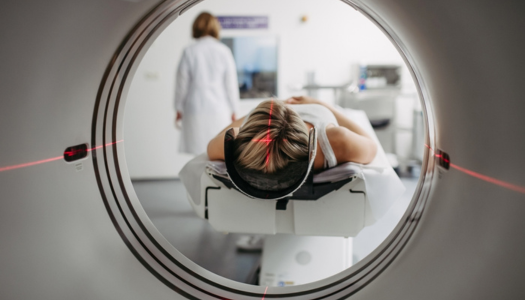
A low-dose CT scan is quick, painless, and non-invasive.
During the exam:
- You will lie on a table that moves through the CT scanner
- The scan typically takes only a few minutes
- No needles or anesthesia are required
- You may be asked to hold your breath briefly
After the scan, you can return to normal activities right away.
Benefits of Low-Dose CT Imaging
Patients choose low-dose CT scans because they offer:
- Reduced radiation exposure compared to standard CT scans
- High-quality diagnostic images
- Early detection of serious conditions
- Fast, outpatient imaging with minimal disruption
At BASC, imaging protocols are designed to meet strict safety and quality standards while delivering reliable diagnostic results.
Low-Dose CT Scan at BASC Imaging
BASC provides outpatient low-dose CT imaging in a modern, patient-focused setting. Our imaging services are designed to support accurate diagnosis while prioritizing efficiency, comfort, and safety.
We work closely with referring providers to ensure results are delivered promptly and care is coordinated seamlessly.
Frequently Asked Questions About Low-Dose CT Scans
Is a low-dose CT scan safe?
Yes. Low-dose CT scans use significantly less radiation than standard CT scans and are considered safe when performed for appropriate clinical reasons.
Does a low-dose CT scan require contrast?
Most low-dose CT lung screenings do not require contrast. Your provider will let you know if contrast is needed for your specific exam.
How long does a low-dose CT scan take?
The scan itself usually takes only a few minutes. The entire appointment is typically short and efficient.
Do I need to prepare for a low-dose CT scan?
In most cases, little to no preparation is required. You may be asked to avoid metal objects or follow specific instructions provided by your care team.
Will my provider receive the results?
Yes. Imaging results are reviewed by qualified radiologists and shared with your referring provider for follow-up and next steps.
Schedule a Low-Dose CT Scan in Bedford, NH
If you or your provider believe a low-dose CT scan may be appropriate, BASC offers advanced outpatient imaging with a focus on safety and precision. Early detection can make a meaningful difference in long-term health outcomes.